

Skip to content

Our Strategic Direction

The Case for the Four Commitments

Regional Conference ministry is already missionally indispensable, strategically aligned, organizationally competent, and forward-facing. The question is whether the infrastructure behind it can carry that work into the next generation.

The impact is proven.The infrastructure is not.

ORCM exists to close that gap.

15%

of North American Division conferences

The nine Regional Conferences

25%

of baptisms

A disproportionate share of the mission

$400M+

in retirement assets

Stewarded for those who serve

4X

growth

Resilient. Expanding.

Commitment 01 · To be

Missionally Indispensable

Regional Conference ministry is missionally indispensable.

15%

of conferences

25%

of baptisms

Regional Conferences are reaching diverse communities others often miss, driving a disproportionate share of the mission across North America. That reach is not an accident of history; it is the fruit of churches that have long been the center of their neighborhoods — the place for worship, education, advocacy, and care.

The impact is proven.

Why it matters

Indispensable is a higher bar than effective. It asks whether a community would feel the loss if a congregation disappeared — not only its members, but its neighbors, its schools, its city.

ORCM's role

ORCM is working to strengthen and scale that impact.

Through research that documents what works, the Dream Factory's congregation-tested approaches to community transformation, and tools that help local churches carry proven ministries further.

What it looks like when lived

  • Ministries built around named, local needs — not generic programs
  • Partnerships with schools, clinics, employers, and civic leaders
  • Members known in the neighborhood as neighbors first
  • Outcomes the community itself would point to

Questions to pursue it

  1. 1If our church closed tomorrow, who outside our membership would notice?
  2. 2What need in our community are we uniquely placed to meet?
  3. 3How would our neighbors describe us — and does that match our mission?

Commitment 02 · To be

Strategically Aligned

Regional Conference ministry is strategically aligned.

One mission. One message. One movement.

Rooted

in history

Focused

in mission

Reflective

of the world we are called to reach

Regional Conferences operate in full alignment with the global mission of the Seventh-day Adventist Church — while engaging the rich diversity of the communities they serve.

Aligned with the mission. Focused on the field.

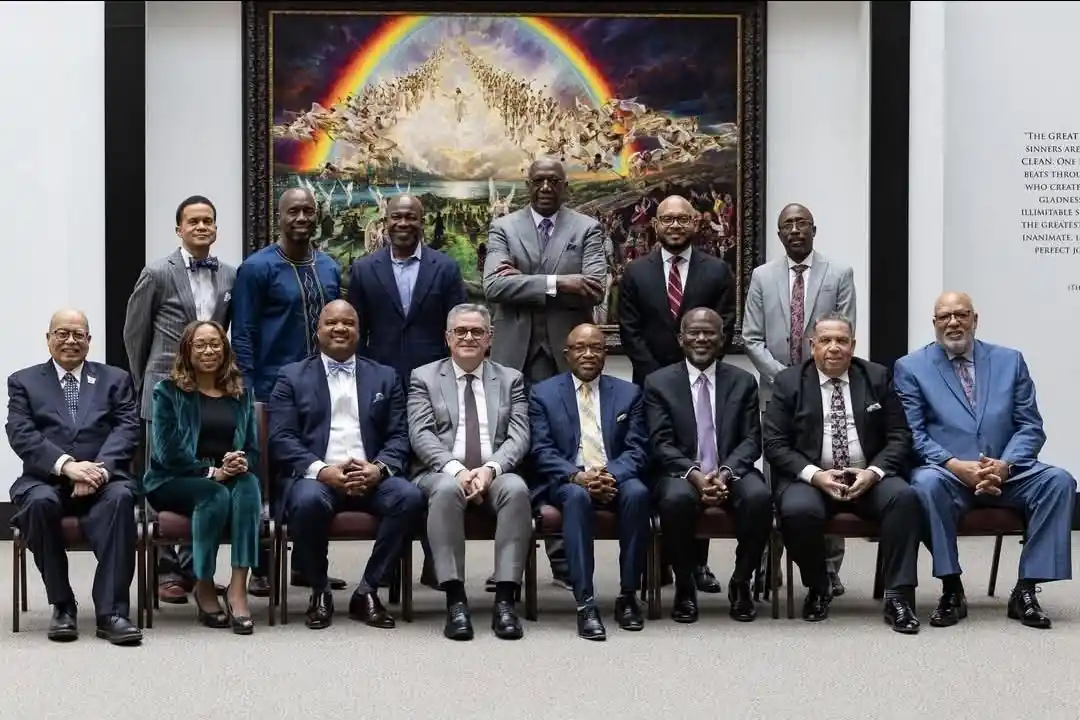
Regional Conference presidents with General Conference President Erton Köhler, February 2026

Why it matters

Alignment runs in two directions. Upward, with the world church's mission and message. Across, with each other: no conference, no church, no ministry can do this work alone. When the nine Regional Conferences identify shared priorities and move together, they multiply impact no single conference could achieve on its own.

ORCM's role

ORCM is working to strengthen that alignment across the field.

By convening leaders around shared priorities, building common systems and services, and giving communicators, administrators, and pastors a shared voice and shared tools.

What it looks like when lived

  • A short list of priorities the nine conferences set together
  • Shared data, so decisions rest on the same picture
  • Shared services where scale lowers cost and raises quality
  • One clear, consistent story told across the field

Questions to pursue it

  1. 1What are we doing alone that we could do better together?
  2. 2Which of our priorities would another conference recognize as its own?
  3. 3Where does our local work visibly advance the global mission?

Commitment 03 · To be

Organizationally Competent

Regional Conference ministry is organizationally competent.

Over $400 million

in retirement assets

Built for sustainability.

Regional Conferences steward resources with intentionality — supporting ministry today while securing the future for those who serve. The Regional Conference Retirement Plan is one visible measure of that stewardship.

The system is stable.

Why it matters

Faithfulness requires competence. Excellent governance, sound finances, dependable systems, and deliberate leadership pipelines are not bureaucracy; they are how a mission outlives the people who started it. Competence is also the most persuasive answer to anyone who doubts what Regional Conferences can build — the work speaks for itself.

ORCM's role

ORCM is working to support and strengthen that effectiveness across the field.

Through the Retirement Plan, shared technology and data platforms like MI:9, training for conference staff, and practical resources for governance and administration.

What it looks like when lived

  • Clean audits and transparent financial reporting
  • Leaders developed on purpose, with succession planned in advance
  • Systems and technology that free people for ministry
  • Retirement security for every pastor, educator, and worker

Questions to pursue it

  1. 1Would our systems survive the departure of our most capable leader?
  2. 2Who are we developing now to lead in ten years?
  3. 3Where is weak process costing us ministry?

Commitment 04 · To be

Forward-Facing

Regional Conference ministry is forward-facing.

4X

growth

Resilient. Expanding.

Regional Conferences are not maintaining the past — they are advancing into the future of mission.

The momentum is real.

Why it matters

Regional Conferences are not a relic of history or only a response to it. Forward-facing ministry anticipates demographic, technological, and cultural change and prepares for it now — reaching new communities, equipping the next generation, and putting new tools to work for an unchanging message.

ORCM's role

ORCM is being built to help carry that momentum forward.

Through research on where the field is heading, the Dream Factory's innovation fellowship, Oakwood Connect's pipeline from campus to conference, and investments in technology for ministry.

What it looks like when lived

  • Plans shaped by where communities are going, not where they were
  • Young adults in real roles, not waiting rooms
  • Technology used to extend ministry, not replace it
  • Room to experiment — and to learn from what fails

Questions to pursue it

  1. 1Who will our community be in twenty years, and are we preparing to reach them?
  2. 2What are we still doing only because we always have?
  3. 3Where are the next generation's ideas shaping our plans?

Commitments, not claims.

Each commitment describes something Regional Conference ministry already is at its best — and something every conference, church, and leader can pursue further. ORCM's work in research, innovation, development, and agency exists to make that pursuit easier, faster, and shared.