
Our Story
Our History
For more than a century, the Regional Conferences have carried a distinctive calling within the Seventh-day Adventist Church. This page preserves the substance of that history while improving readability — clearly distinguishing historical quotations and terminology from present-day organizational language.

What 'Regional Conference' Means
The Regional Conference designation emerged within the Seventh-day Adventist Church as a structure for Black-administered conferences — giving members and leaders governance over their own ministry, institutions, and service.
The Regional Conferences were organized so that Black Adventist members could lead, govern, and build institutions within their own conferences — a structure shaped by the realities of its time and by a commitment to faithful, community-anchored ministry.
Today, that legacy continues. The nine Regional Conferences form a connected ministry network served by ORCM, carrying forward a tradition of excellence, compassion, and stewardship.
A Timeline of Major Milestones
Sankofa — “go back and fetch it.” We remember where we come from so we can build what comes next.
The Regional Conference Designation
The Regional Conference designation emerged within the Seventh-day Adventist Church as a structure for Black-administered conferences, giving Black members and leaders governance over their own ministry and institutions.

First Regional Conferences Organized
The first Regional Conferences were organized, beginning a distinctive ministry tradition rooted in self-governance, community investment, and institutional building.
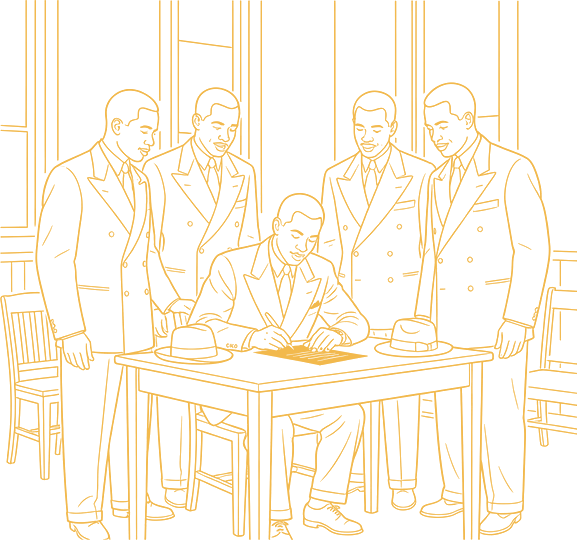
Institutions Established
Regional Conferences established schools, churches, and institutions serving the whole person across education, health, and community life.
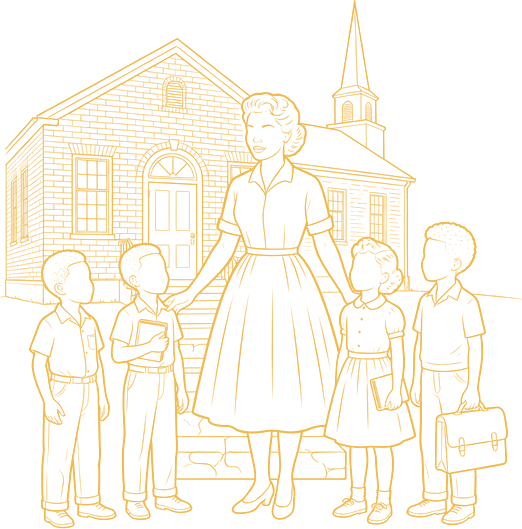
The Retirement Plan
The Regional Conference Retirement Plan was established to care for those who had given their lives in ministry service to the Regional Conferences.
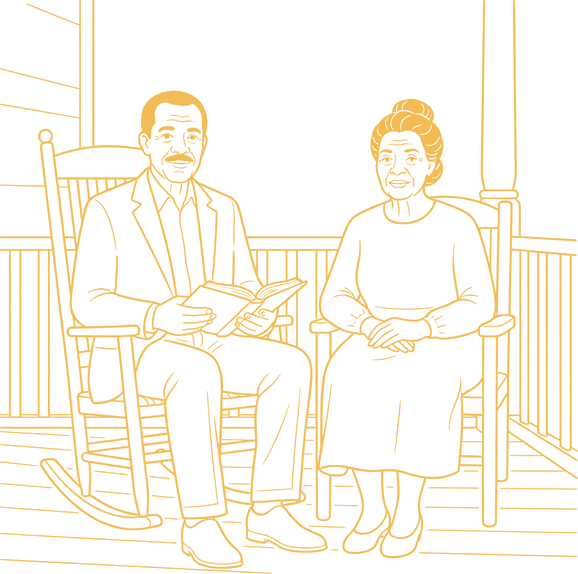
Youth Programs
Youth and young-adult ministries became a hallmark of Regional Conference life, developing leaders and investing in the next generation.
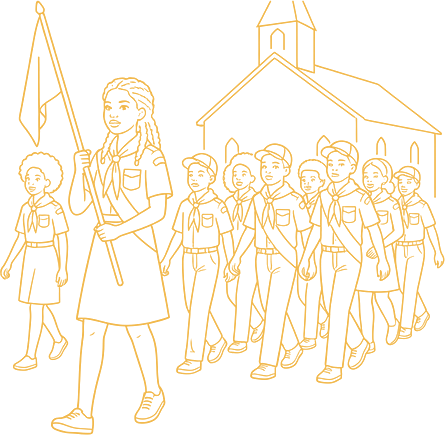
A Connected Ministry Network
Today, nine Regional Conferences form a connected ministry network, served by ORCM, carrying forward a legacy of faithful, innovative, community-anchored ministry.

Historical Resolutions & Documents
Lengthy historical resolutions and documents are preserved in expandable sections. Historical quotations and terminology are clearly distinguished from present-day organizational language.